If you're working towards FORS Silver accreditation, Safe Driving training isn't optional, it's a requirement for every driver on your fleet. But beyond the compliance box-tick, it's worth understanding what the course actually covers, why it exists, and which delivery format suits your drivers best, because getting this right affects both your accreditation and your real-world collision risk.
Why FORS Silver Requires Safe Driving Training
FORS Silver accreditation is built around demonstrable management of Work Related Road Risk (WRRR), and driver training is one of the clearest ways an operator can show that risk is being actively managed rather than just documented. Safe Driving training specifically targets the interactions that cause the most serious incidents in urban environments: HGVs sharing road space with cyclists and pedestrians.
What the Course Actually Covers
The course runs as a full day split into two halves. The theory segment covers the changing streetscape, how to identify and interact safely with vulnerable road users, defensive driving techniques, and understanding the vehicle safety equipment you already have fitted. The practical segment puts drivers literally in the position of a cyclist, giving them a first-hand view of the blind spots and close-pass risks that are difficult to appreciate from inside a cab.
- Theory: vulnerable road users, defensive driving, hazard awareness, vehicle safety tech
- Practical: real-world perspective of cyclists and pedestrians sharing the road with HGVs
- Counts as a full day (7 hours) towards periodic Driver CPC training
On-Bike or Virtual Reality: Which Should You Choose?
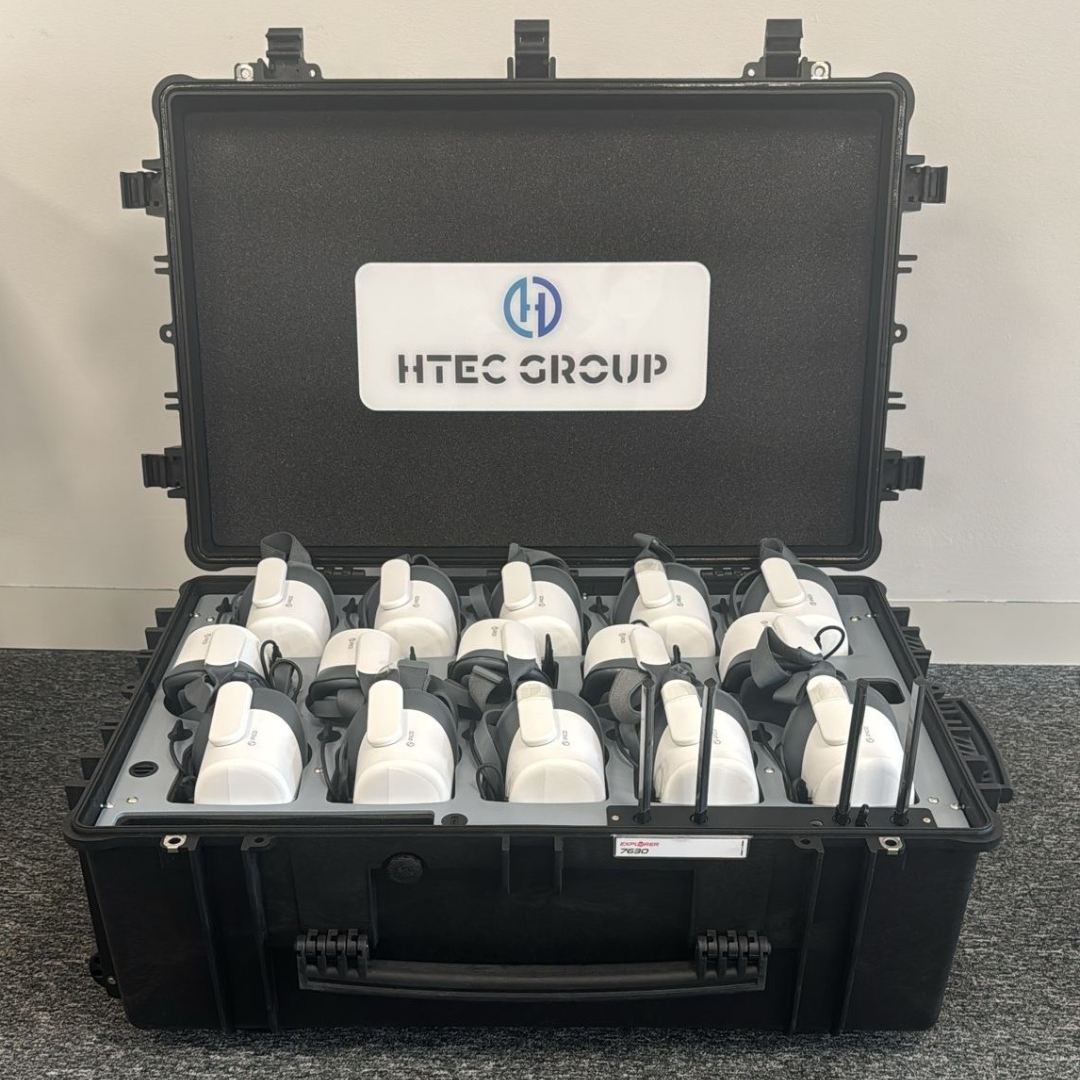
There's no difference in qualification between the two practical delivery formats, so the choice comes down to logistics and driver preference. On-bike training takes place outdoors on physical bikes and gives the most authentic sense of road positioning and vehicle proximity. VR training keeps drivers in the classroom throughout, using headsets to recreate the same hazard scenarios; useful where weather, venue constraints, or driver preference make outdoor training impractical.
Why Timing Matters More Than Fleets Realise
Training compliance isn't just about having a certificate on file - FORS assessments look at whether training has been completed within the required renewal window, and gaps here are one of the more common reasons operators lose points at audit. Booking training ahead of accreditation renewal dates, rather than scrambling once a gap is flagged, keeps this from becoming a last-minute problem.
Getting Your Drivers Booked In
Here at H-TEC, the process is straightforward: choose a course date, and confirm attendance for your drivers. We run VR Safe Driving courses at dedicated training facility.